
Hjem / Nyheder / Industri nyheder / Hvordan interagerer vandpumpens motorstator og rotorkerne med kølesystemer, såsom væske- eller luftkølede huse, for at opretholde optimal temperaturbalance under intensiv drift?
Hvordan interagerer vandpumpens motorstator og rotorkerne med kølesystemer, såsom væske- eller luftkølede huse, for at opretholde optimal temperaturbalance under intensiv drift?
-
Termisk overførselseffektivitet og varmeafledningsdynamik :
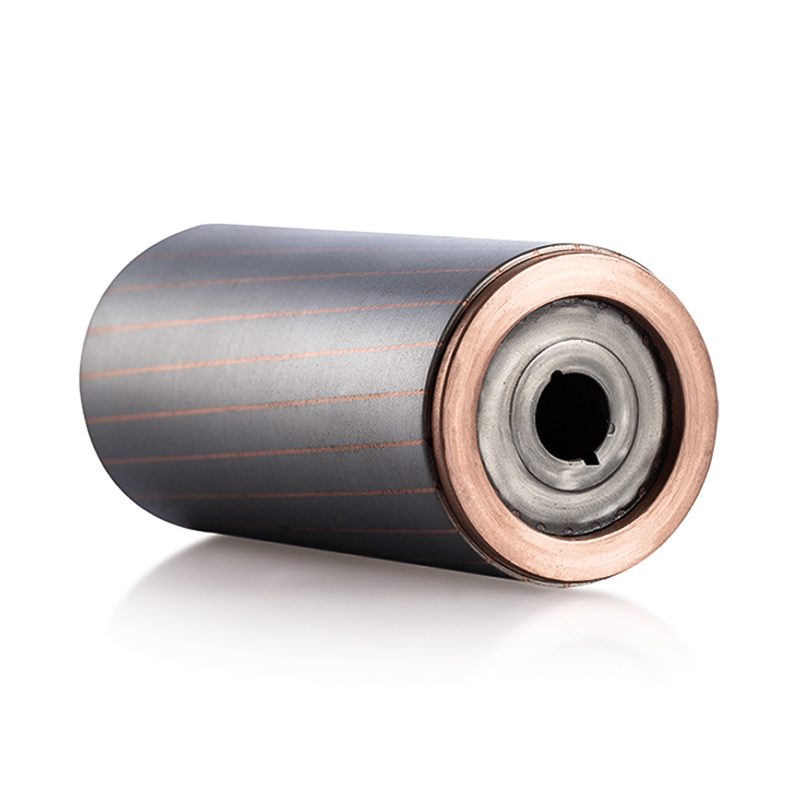
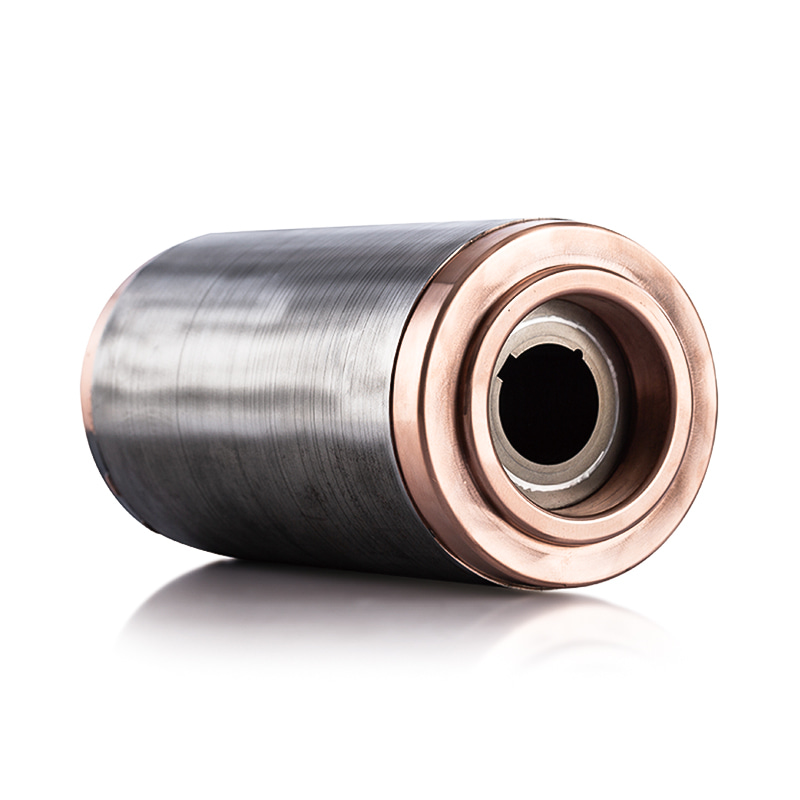
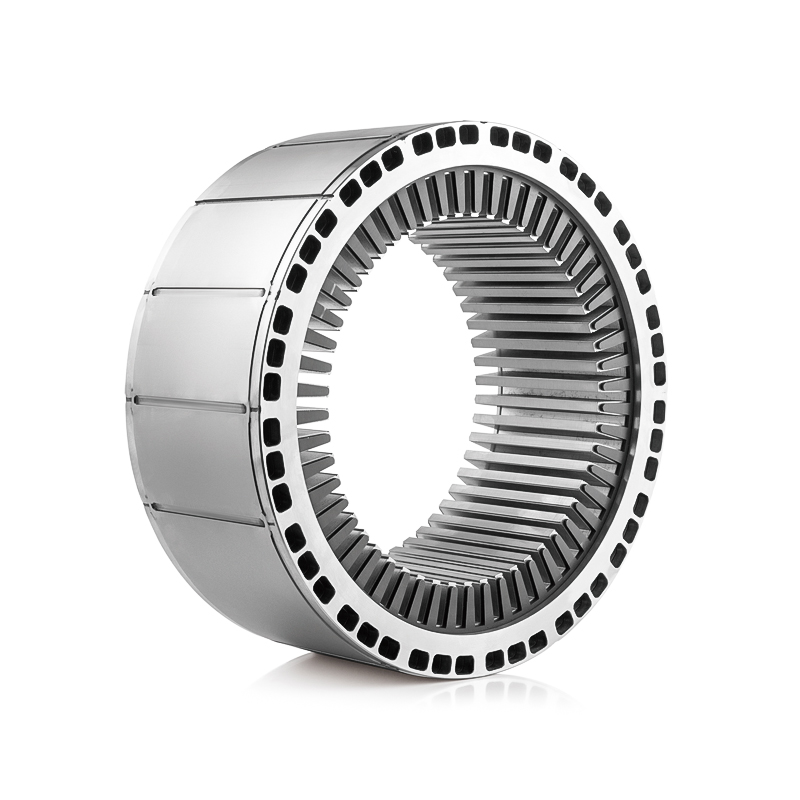
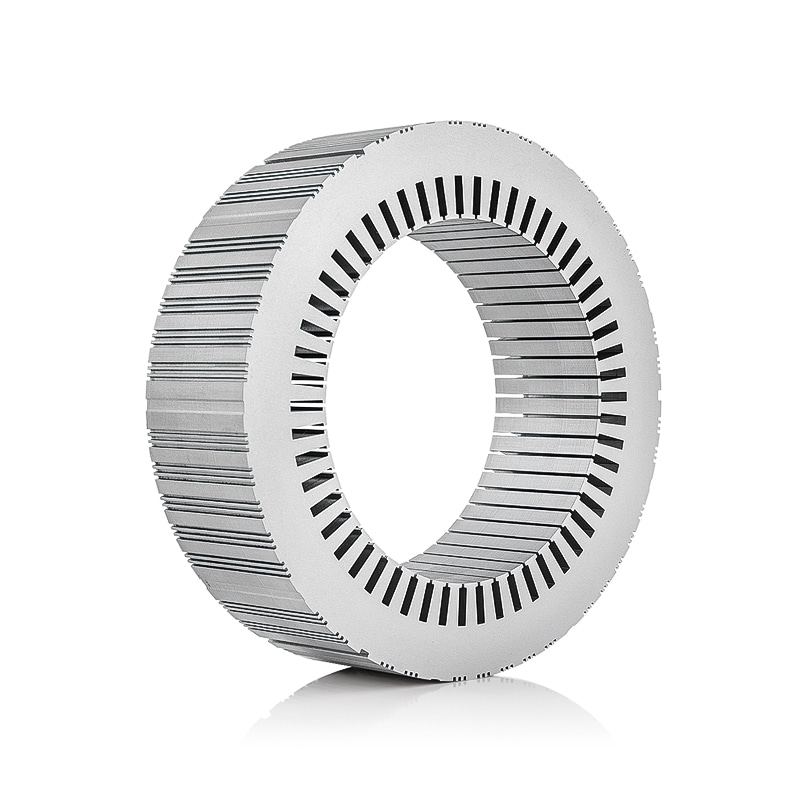
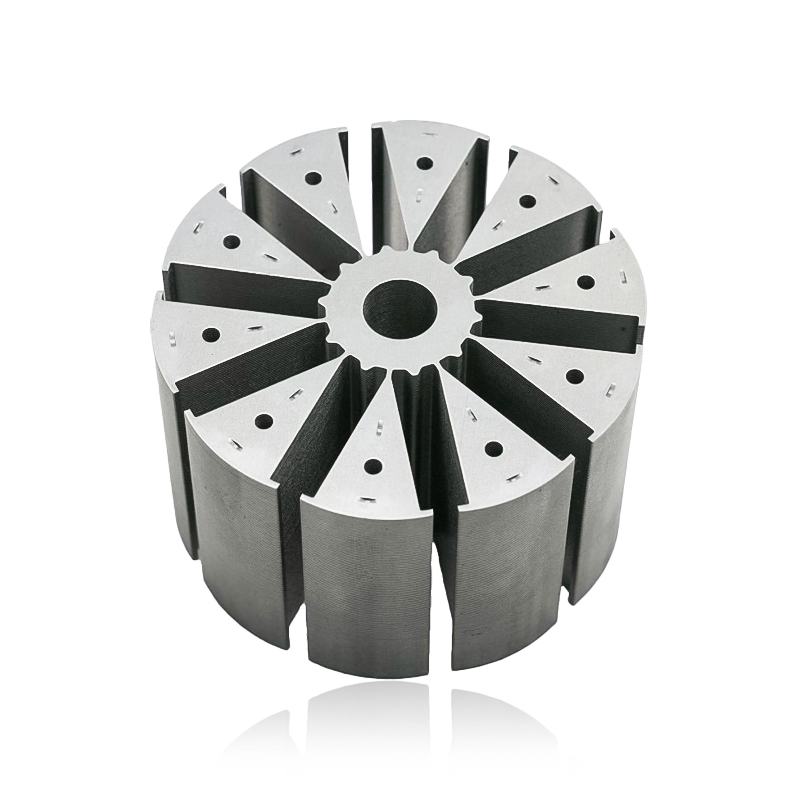
Den Vandpumpemotorstator og rotorkerne udsættes kontinuerligt for varme, der genereres under magnetisk feltexcitation og strømflow. Effektiv varmeafledning er afgørende for at forhindre afmagnetisering eller isolationsforringelse. Kernerne er sammensat af højkvalitets lamineret siliciumstål med overlegen termisk ledningsevne, hvilket sikrer hurtig varmeoverførsel væk fra det magnetiske kredsløb. Når det er parret med et væskekølet hus, strømmer kølevæsken gennem integrerede kanaler, der er direkte i kontakt med højtemperaturzoner, hvilket fremmer en jævn termisk fordeling. I luftkølede systemer hjælper inklusion af optimerede ventilationsveje og varmeafledende finner med at maksimere luftstrømmen omkring statoren og rotorsamlingen. Resultatet er en kontrolleret temperaturgradient, der forhindrer termiske hotspots og bevarer motorens ensartede magnetiske ydeevne. -
Design og konstruktion af køleveje :
Den layout of the cooling system determines how effectively the Water Pump Motor Stator and Rotor Core can maintain stable operating temperatures. In liquid-cooled designs, internal cooling jackets or spiral channels are positioned close to the stator windings and rotor shaft to ensure efficient convection and minimize heat accumulation. Advanced computational fluid dynamics (CFD) modeling is often employed to simulate flow velocity, turbulence, and temperature gradients within these channels. For air-cooled configurations, engineered fan systems or forced ventilation ducts are designed to direct air evenly across the stator slots and rotor periphery, reducing localized heating and maintaining consistent motor torque. The overall goal of both designs is to preserve the electromagnetic balance and reduce mechanical strain caused by temperature variations. -
Materialekompatibilitet og termisk udvidelseskoordinering :
Den interaction between the Water Pump Motor Stator and Rotor Core and the cooling system materials must account for differences in thermal expansion. The motor components, including laminations, copper windings, and insulation layers, expand at varying rates under heat. Improper management of these differences can lead to mechanical stress, misalignment, or even cracking. Engineers use precise material selection and dimensional tolerances to ensure that all parts expand uniformly under operational temperatures. Thermal interface materials (TIMs) and specialized adhesives with high thermal conductivity but low expansion coefficients are used between the stator core and cooling surfaces to facilitate consistent contact and reduce vibration-related heat buildup. This balance prevents mechanical deformation and ensures the rotor’s concentric alignment with the stator bore remains intact throughout operation. -
Bevarelse af elektromagnetisk og magnetisk fluxstabilitet :
Den magnetic efficiency of the Water Pump Motor Stator and Rotor Core is directly affected by temperature. As temperature increases, magnetic permeability may decrease, resulting in reduced flux density and lower torque output. An effective cooling system stabilizes these thermal conditions, allowing magnetic domains to maintain consistent alignment. This stability translates to uniform torque generation, reduced electrical losses, and minimal rotor imbalance. Modern insulation coatings on stator laminations help reduce eddy current losses by maintaining electrical isolation even under elevated temperatures, further supporting electromagnetic efficiency. -
Integration med avancerede termiske overvågnings- og kontrolsystemer :
For at øge pålideligheden af vandpumpens motorstator og rotorkerne, integrerer moderne motorsystemer termiske sensorer og styreelektronik i statorviklingerne og huset. Disse sensorer overvåger konstant temperatur på flere punkter, og leverer data ind i en kontrolalgoritme i realtid. Når der registreres for høj varme, justerer systemet automatisk køleintensiteten – ved at øge kølevæskeflowhastigheden eller blæserhastigheden – for at genoprette den termiske ligevægt. I højtydende applikationer kan forudsigende termiske kontrolalgoritmer forudsige potentielle overophedningstendenser baseret på belastningsforhold og justere køling proaktivt. Denne intelligente feedbackloop sikrer ensartet ydeevne uden energispild eller unødvendigt mekanisk slid.
Forrige artikel
Hvordan påvirker geometrien af tænderne og slidserne i Generator Motor Stator og Rotor Core magnetisk fluxfordeling og drejningsmomentoutput?
næste artikel
Hvilken indflydelse har Rail Transit Motor Stator og Rotor Core på at reducere støj og vibrationer i jernbanetransitmotorsystemer?
Relaterede nyheder
-
Hvad er Stateller- og rotorkerner ? Statorkerner A statorkerne er den stationær komponent i en elektrisk motor. Det er den del, der huser kobberviklingerne, som, når en e...
See Details -
Indledning Den moderne bil er en kompleks maskine, og dens udvikling er blevet drevet af kontinuerlig innovation i hver komponent. Mens forbrændingsmotorer har domineret industrien i over et årh...
See Details -
Vigtigheden af materialevalg til roteller- og statellerkerner i elektriske køretøjsmotellerer I designet af elektriske køretøjer (EV) motorer er materialevalg en afgørende faktor, der påvirker m...
See Details -
Introduktion af bilmotellerstator og rotorkerner Den stigende popularitet af elektriske køretøjer og hybride elektriske køretøjer har medført betydelige fremskridt inden for bilteknologi. I...
See Details